Unless a statutory exception applies, a trustee may not directly or indirectly buy or sell trust property to themselves, an affiliate, certain trustee-connected people, a relative, or an employer, partner, or business associate under Texas Property Code § 113.053. The rule has been part of Texas trust administration since January 1, 1984, and the Legislature amended it in 1985, 1989, 1993, 2003, and 2013.
Managing a loved one's trust can feel overwhelming, especially when the trustee wants to purchase a house, parcel of land, or other asset held for the beneficiaries. The transaction may appear convenient or financially fair, but a trustee's personal interest changes the legal analysis. A trustee purchase of trust property in Texas requires careful review before anyone signs a contract or transfers money.
The central question isn't just whether the trust receives a reasonable price. The trustee must also determine whether the transaction falls within Section 113.053, whether an exception applies, and whether the proposed process protects the beneficiaries. A Texas trust administration lawyer can help preserve the trust, reduce family conflict, and create a defensible record.
Why This Rule Exists in Texas Trust Law
A daughter serves as trustee after her parent dies. The trust owns a home that she'd like to buy for herself. She believes the purchase will simplify administration, provides cash to the trust, and avoids the inconvenience of listing the property. The other beneficiaries may even say they're comfortable with the arrangement.
That still creates a conflict. The trustee is responsible for protecting the beneficiaries' interests while also becoming the person on the other side of the sale. She controls the information, the timing, the marketing process, and potentially the valuation. Even if she acts in good faith, the structure gives her an advantage that an outside buyer wouldn't have.
Texas Property Code § 113.053 addresses that danger by restricting transactions between a trustee and defined trustee-connected parties unless a statutory exception applies. The statute reaches direct and indirect transactions, which matters when a trustee uses a company, family member, or business relationship to acquire trust property. The rule doesn't depend only on whether the trustee personally signs the deed.
Practical rule: A trustee should treat a proposed purchase as a conflict requiring legal review before treating it as an ordinary real estate sale.
Protecting beneficiaries from divided loyalty
Trust administration involves more than paperwork. It involves a fiduciary relationship built on confidence that the trustee will act for the beneficiaries, not for personal advantage. A trustee may have good intentions and still face a serious problem if personal interests influence a decision about trust property.
Section 113.053 functions as a protective boundary. It helps beneficiaries evaluate transactions before the trust gives up an asset, rather than requiring them to prove the full financial consequences after closing. That distinction is important because real estate and family property can carry emotional value that an appraisal doesn't capture.
The statute was originally enacted by the Texas Legislature through Acts of 1983, 68th Legislature, chapter 567, article 2, section 2, effective January 1, 1984. Its later amendments show that the Legislature has revisited the rule over time. The current statutory framework is available through the Texas Property Code provision governing trustee transactions.
A trustee should therefore ask three questions immediately:
- Who will benefit from the transaction?
- Does the trustee or a connected person stand on the other side?
- What authorization and disclosure process is required before closing?
Those questions protect more than legal compliance. They preserve family trust and help beneficiaries understand why a decision was made.
What the Statute Prohibits and Who It Covers
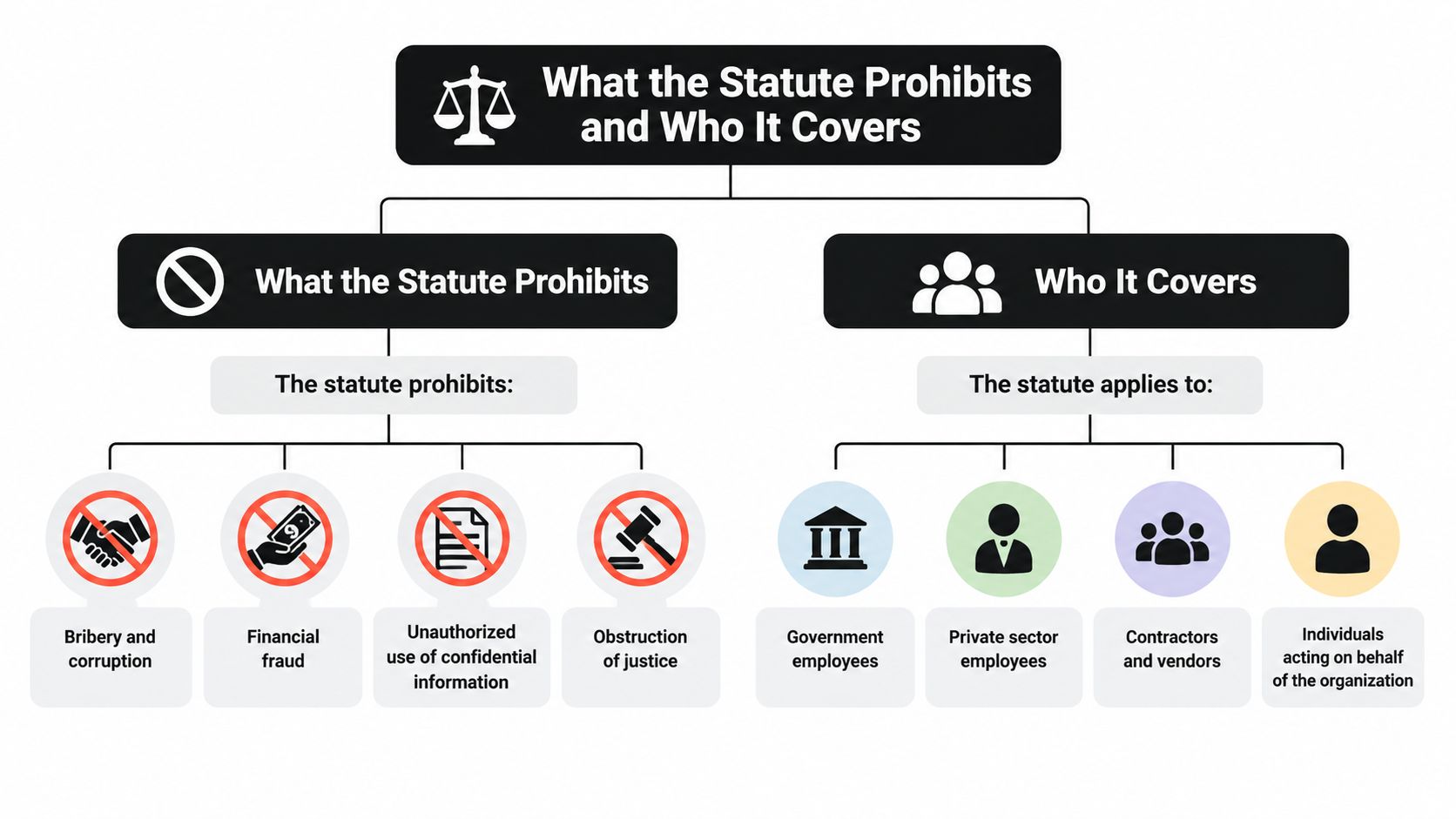
Section 113.053 creates a relationship-based restriction. Unless a listed exception applies, a trustee may not directly or indirectly buy or sell trust property from or to four categories identified by the statute:
- The trustee or an affiliate. The restriction isn't limited to a transaction in the trustee's individual name. An affiliate relationship may bring a connected entity into the analysis.
- A director, officer, or employee of the trustee or an affiliate. A sale to someone working within the trustee's business or an affiliated organization can raise the same concern.
- A relative of the trustee. A trustee can't avoid scrutiny by directing trust property to a family member instead of taking the deed personally.
- The trustee's employer, partner, or other business associate. A transaction involving a professional or commercial relationship may create divided loyalty even when the trustee doesn't personally receive the property.
The statute's use of “directly or indirectly” matters. A trustee shouldn't assume that a separate company, spouse, partnership, or intermediary removes the conflict. The substance of the transaction and the relationship between the parties remain important.
Fair price doesn't end the inquiry
A common mistake is to focus only on value. A trustee may say, “The trust received fair market value,” or “The beneficiaries weren't financially harmed.” Those facts may matter, but they don't automatically resolve whether Section 113.053 applies.
The safer approach is to separate two questions:
| Question | What it examines |
|---|---|
| Is the transaction covered? | Whether the buyer or seller falls within a relationship category in Section 113.053 |
| Can the transaction proceed? | Whether a statutory exception or valid authorization permits the transaction |
A trustee should complete that analysis before closing, not after a beneficiary objects. The guide Texas Trust Administration: A Trustee's Guide can help readers understand what trust administration involves and how it differs from probate. For a focused discussion of suspected misconduct, trustees and beneficiaries can also review Texas guidance on trustee self-dealing.
The statute doesn't turn every trust sale into a forbidden transaction. A sale to an unrelated third party on appropriate terms may be a normal administrative act. The concern arises when the trustee-connected relationship creates a risk that the trustee's duties and personal interests will pull in different directions.
When Transactions May Be Permitted Under Exceptions
A trustee-connected transaction isn't automatically impossible. Section 113.053 includes statutory exceptions, but an exception must be identified and supported before property changes hands. The trust instrument, beneficiary consent, and court involvement may each affect the analysis, depending on the facts and the language governing the trust.
The trustee should use a deliberate process rather than relying on a verbal family agreement.
Start with the governing documents
First, review the trust instrument and any amendments. Look for provisions addressing trustee powers, conflicts, sales to trustees or beneficiaries, valuation, notice, consent, and court approval. A trustee shouldn't assume that a broad power to sell trust property authorizes a conflicted purchase. General authority to sell may not answer the separate question of whether the trustee can become the buyer.
Next, identify every beneficiary whose rights may be affected. A proposed transaction may affect current beneficiaries, remainder beneficiaries, or people whose interests depend on the trust's future value. Beneficiary consent is meaningful only when the people providing it understand the material facts and have legal capacity to make that decision.
Build an informed record
An informed consent file should include:
- Written disclosure: Explain the trustee's relationship to the proposed buyer, the property's condition, the proposed price, competing interests, and the effect on the trust.
- Independent valuation: Obtain an appraisal or other reliable valuation from a professional who isn't selected merely to support the trustee's preferred number.
- Comparable terms: Document how the price, financing, closing costs, repairs, and timing compare with a transaction involving an unrelated buyer.
- Written consent: Keep signed consents with the trust records. A casual conversation or family text may not show informed approval.
- Independent advice: Encourage beneficiaries to obtain separate advice rather than asking the trustee's lawyer to represent everyone.
Court approval may be advisable when beneficiaries disagree, a beneficiary is unable to consent, the asset is valuable or difficult to value, or the trust language is unclear. Judicial review can add time and expense, but it may provide a clearer process than closing first and defending the transaction later.
A trustee should never use consent as a substitute for disclosure. Beneficiaries can't meaningfully approve a transaction if they don't know the facts that create the conflict.
The right choice depends on the trust terms, the people involved, and the property. A Texas estate planning attorney or trust counsel can evaluate whether the proposed authorization is sufficient before the trustee commits the trust.
How Fiduciary Duty Principles Connect to This Rule
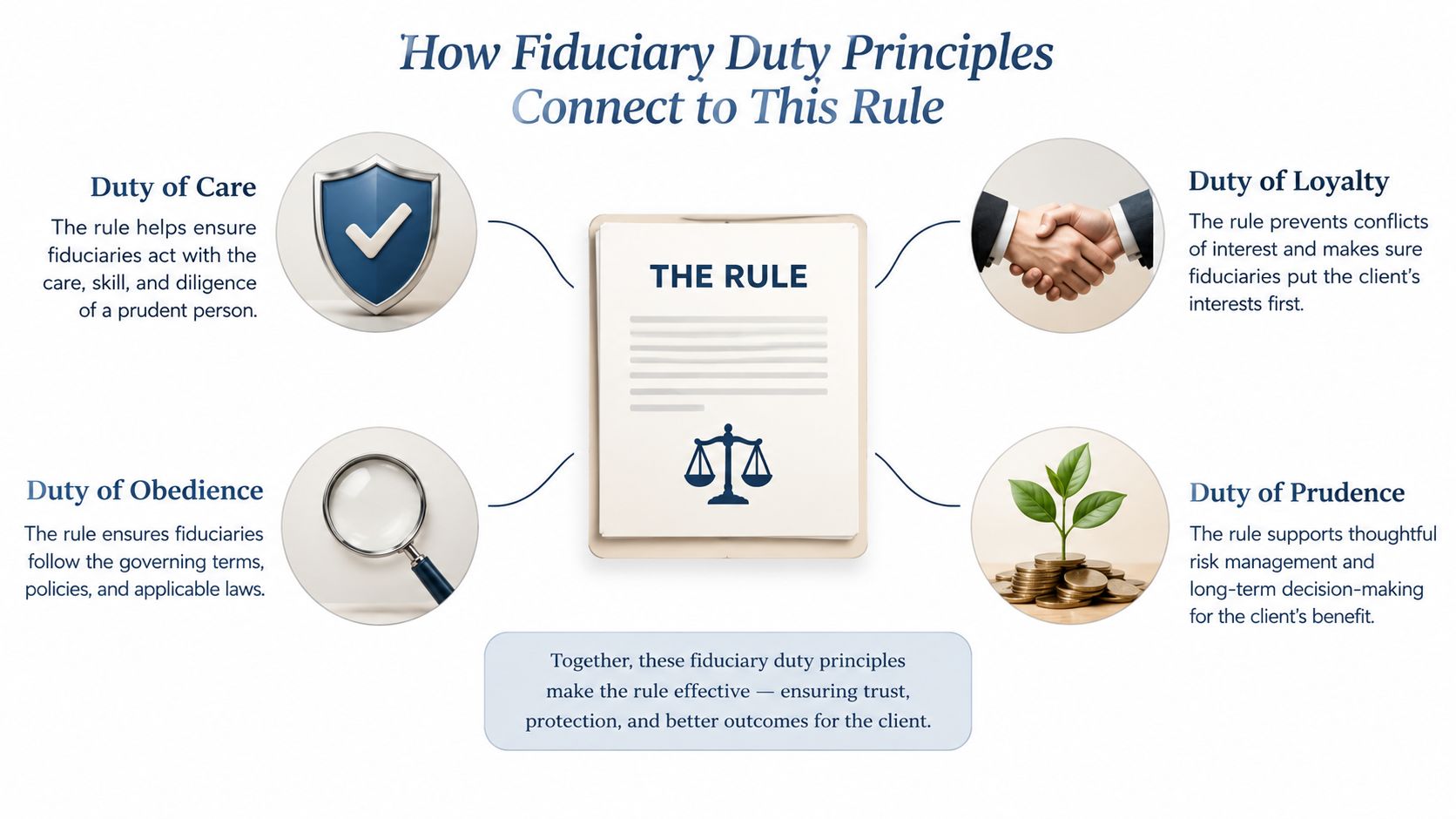
Section 113.053 is one part of a broader fiduciary framework. A trustee holds legal title or control for the benefit of others, so the trustee must use that position carefully. The duty of loyalty is central. It requires the trustee to avoid using the fiduciary role for personal advantage or placing personal interests in conflict with beneficiary interests.
That principle explains why a trustee purchase receives special scrutiny. The trustee may know more about the property, the trust's finances, and the beneficiaries' needs than an outside buyer. The trustee may also control whether the property is marketed, how quickly it is sold, and what information is shared. Those advantages can make a transaction unfair even if no one can immediately identify a specific loss.
Loyalty is more than avoiding theft
Fiduciary duties in Texas require more than keeping trust funds in a separate account. The trustee must make decisions with care, maintain accurate records, communicate appropriately, and respect the interests of all beneficiaries. A transaction can create a loyalty problem before it creates a measurable financial loss.
The best records show how the trustee reached the decision:
- What alternatives did the trustee consider?
- How was the property valued?
- What conflict was disclosed?
- Who received notice?
- Did beneficiaries have a reasonable opportunity to ask questions?
- Why did the transaction serve the trust?
The fiduciary duties of Texas trustees provide useful background on the trustee's core obligations. In practice, the goal isn't to create unnecessary paperwork. It's to show that the trustee treated the trust as a separate legal responsibility rather than a personal asset.
Transparent communication also helps preserve relationships. Beneficiaries may still disagree with a transaction, but a clear explanation and independent valuation can reduce suspicion. A trustee who refuses to disclose the conflict or provide records creates a much more difficult dispute.
Consequences of Violations and Available Remedies
A trustee may believe that a transaction is finished once the deed is signed and the purchase price is deposited. Texas law doesn't necessarily treat closing as the end of the matter. A beneficiary can challenge the transaction, request records, and ask a court to address the trustee's conduct.
In Fisher v. Greaves, the Fifth Circuit reported that a trustee violated Section 113.053 by selling trust property to a relative. The district court denied relief because damages hadn't been proven, but the appellate discussion characterized the statute as imposing mandatory restrictions on trustee dealings. The case demonstrates why a trustee shouldn't wait for a beneficiary to prove a market-value loss before taking compliance seriously. The Fisher v. Greaves appellate decision is important for understanding that distinction.
Courts can focus on restoring the trust
Texas Property Code § 114.008 gives courts a broad range of remedies for breaches of fiduciary duty. Depending on the circumstances, a court may:
- Compel the trustee to perform a required duty.
- Enjoin an anticipated breach.
- Require the trustee to pay money or restore property.
- Order an accounting.
- Appoint a receiver to possess and administer trust property.
- Suspend the trustee.
- Remove the trustee under Section 113.082.
- Reduce or deny trustee compensation.
The remedy may focus on protecting and restoring the trust, not merely declaring that the trustee acted improperly. The statutory remedies are summarized in the Texas Property Code provisions on trustee remedies.
Consider a trustee who acquired land for $300,000 when reliable evidence shows a value of $450,000. A court could require restoration of the land or monetary redress, order an accounting, and reduce compensation. The outcome depends on the trust terms, any applicable exception, the proof, and equitable considerations.
A beneficiary should preserve the trust instrument, deed, contract, appraisal, bank records, communications, notices, and accountings. A trustee facing an allegation should preserve the same materials, avoid transferring the disputed asset, and obtain advice before using trust funds to defend a personal conflict.
Practical Steps for Trustees to Stay Compliant
Trustees have two main paths when a proposed transaction involves a connected person. They may seek informed authorization where the law and trust terms allow it, or they may ask a court to review the transaction in advance. Beneficiary consent can be more efficient, but court approval may be more protective when the facts are disputed or a beneficiary cannot independently consent.
Neither path works well without full disclosure and independent valuation.
Compare the available safeguards
Beneficiary consent may be appropriate when the trust instrument supports the transaction, every affected beneficiary can understand the proposal, and the property can be valued reliably. The trustee should provide the appraisal, disclose the conflict, explain the terms, and preserve signed written consent.
Court approval may be preferable when beneficiaries disagree, the property is difficult to value, a beneficiary is incapacitated, or the trustee expects a later challenge. The process can require more time and expense, but a judge can evaluate the transaction before the trust gives up the asset.
A trustee should also keep personal and trust finances separate, maintain a transaction file, and communicate with beneficiaries in a measured way. The resource on protecting against trustee liability in Texas offers additional practical context for fiduciary recordkeeping and decision-making.
| Step | Action Required |
|---|---|
| Identify the conflict | Determine whether the proposed buyer or seller falls within a trustee-connected category |
| Review authority | Read the trust instrument, amendments, and applicable statutory provisions |
| Obtain valuation | Secure an independent appraisal or other reliable evidence of value |
| Disclose the facts | Explain the relationship, terms, valuation, and effect on beneficiaries |
| Choose authorization | Evaluate informed consent, court approval, or another applicable exception |
| Preserve records | Keep contracts, notices, valuations, consents, communications, and accountings |
| Delay closing if needed | Don't transfer property until the conflict analysis is complete |
Coordinate trust and probate administration
Trust administration may also overlap with probate. Texas Estates Code § 401.002 provides that, in a specified will-created-trust situation, people entitled to receive property outright or first eligible to receive trust income may be treated as distributees for an independent-administration application. If such a distributee is incapacitated, a trustee or cotrustee may file or consent only if that person isn't the proposed independent executor. The Texas Estates Code provision on will-created trusts and independent administration should be reviewed with the full estate documents.
That rule shows why trustees, executors, beneficiaries, and guardians should coordinate. A trustee who is also a potential executor may need to disclose the conflict before signing or consenting to probate filings. Separate fiduciary accounts, a complete asset inventory, and coordinated legal advice can prevent avoidable delays.
Getting Professional Guidance for Your Trust Matters
A trustee purchase of trust property in Texas can combine real estate law, trust administration, probate procedure, valuation, and family dynamics. A trustee may need advice before making an offer. A beneficiary may need help obtaining an accounting or preserving an objection. An executor may need to determine whether trust assets affect probate filings.
The first step is usually fact gathering. Locate the trust instrument, amendments, deeds, purchase agreements, appraisals, account statements, beneficiary notices, and correspondence. Don't edit or discard communications that may explain what the trustee knew and when the transaction was proposed.
A practical consultation checklist
Bring these questions to a Texas trust administration lawyer:
- Does Section 113.053 cover the proposed transaction?
- Is the buyer or seller connected to the trustee through a person, entity, employer, partner, or business relationship?
- Does the trust instrument contain relevant authority or limitations?
- What information must be disclosed to beneficiaries?
- Is an independent appraisal necessary?
- Would beneficiary consent be sufficient, or is court approval safer?
- Should the transaction be paused?
- Could probate, guardianship, estate planning, tax planning, or asset protection issues affect the decision?
The Law Office of Bryan Fagan, PLLC assists trustees, beneficiaries, executors, and families with trust administration, fiduciary accounting, estate planning, probate, guardianship, asset protection, and trust disputes. In a conflict involving trust property, counsel can help evaluate the transaction, organize the records, pursue negotiation or mediation, and seek court relief when necessary.
Early advice often gives families more choices. A trustee may be able to restructure a proposed sale, obtain proper authorization, or avoid closing altogether. A beneficiary may be able to request an explanation and accounting before the trust's remaining assets are placed at risk. If a trustee dies during administration, the family may also need guidance on successor trustee first steps, probate coordination, and protection of trust property.
You don't have to resolve a trustee conflict alone, and you don't need to wait until the dispute becomes a lawsuit. Clear advice can help protect the trust while giving every person involved a fair opportunity to understand their rights and responsibilities.
If you're managing a trust or planning your estate, The Law Office of Bryan Fagan, PLLC offers Texas guidance on trustee purchases, fiduciary duties, trust administration, probate, guardianship, estate planning, and asset protection. Schedule a free consultation to discuss the transaction, the available safeguards, and the next step for protecting the trust and your family's interests.